

Brian Masiello
Principal
Studio A | Market Co-Leader
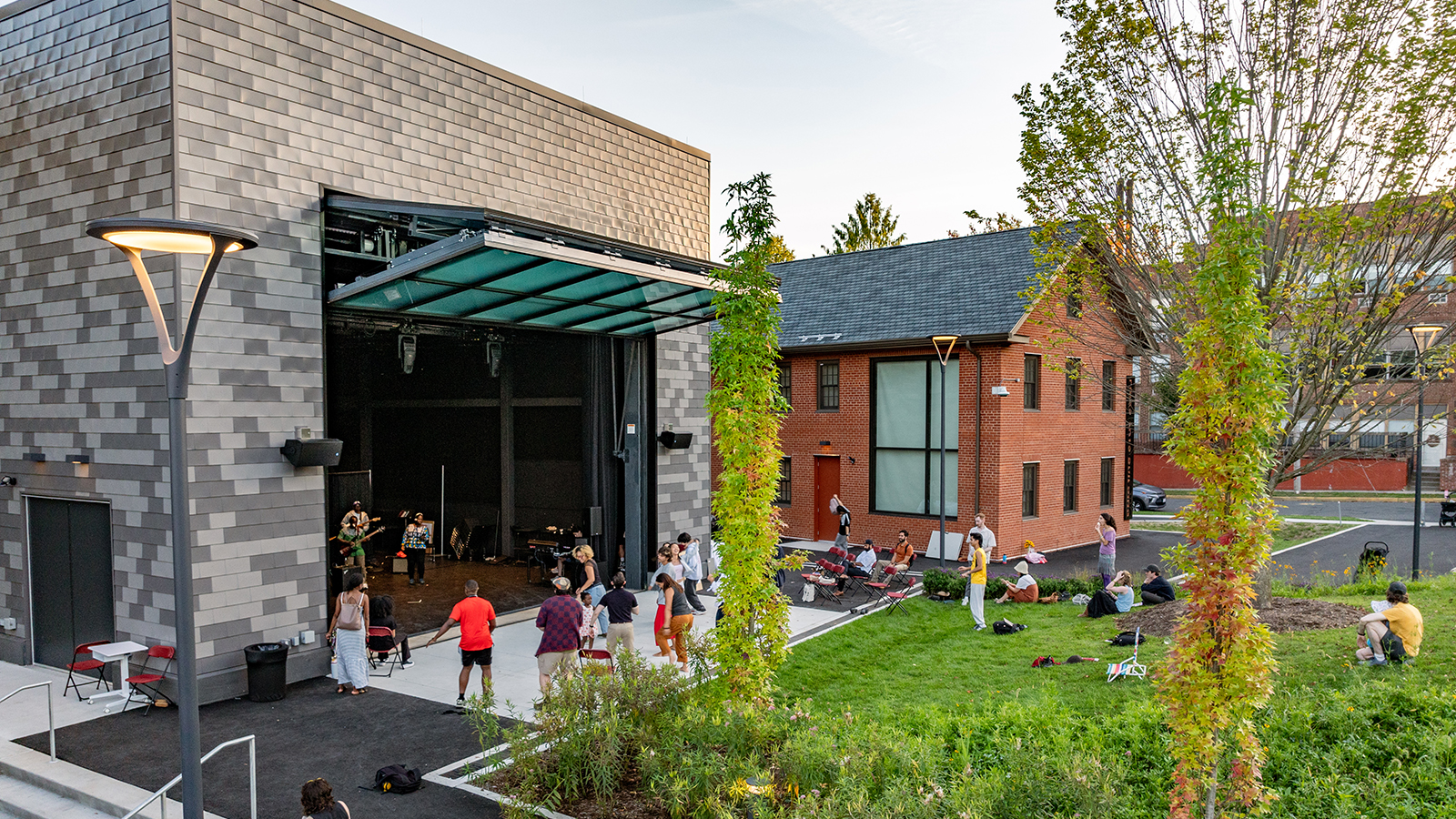
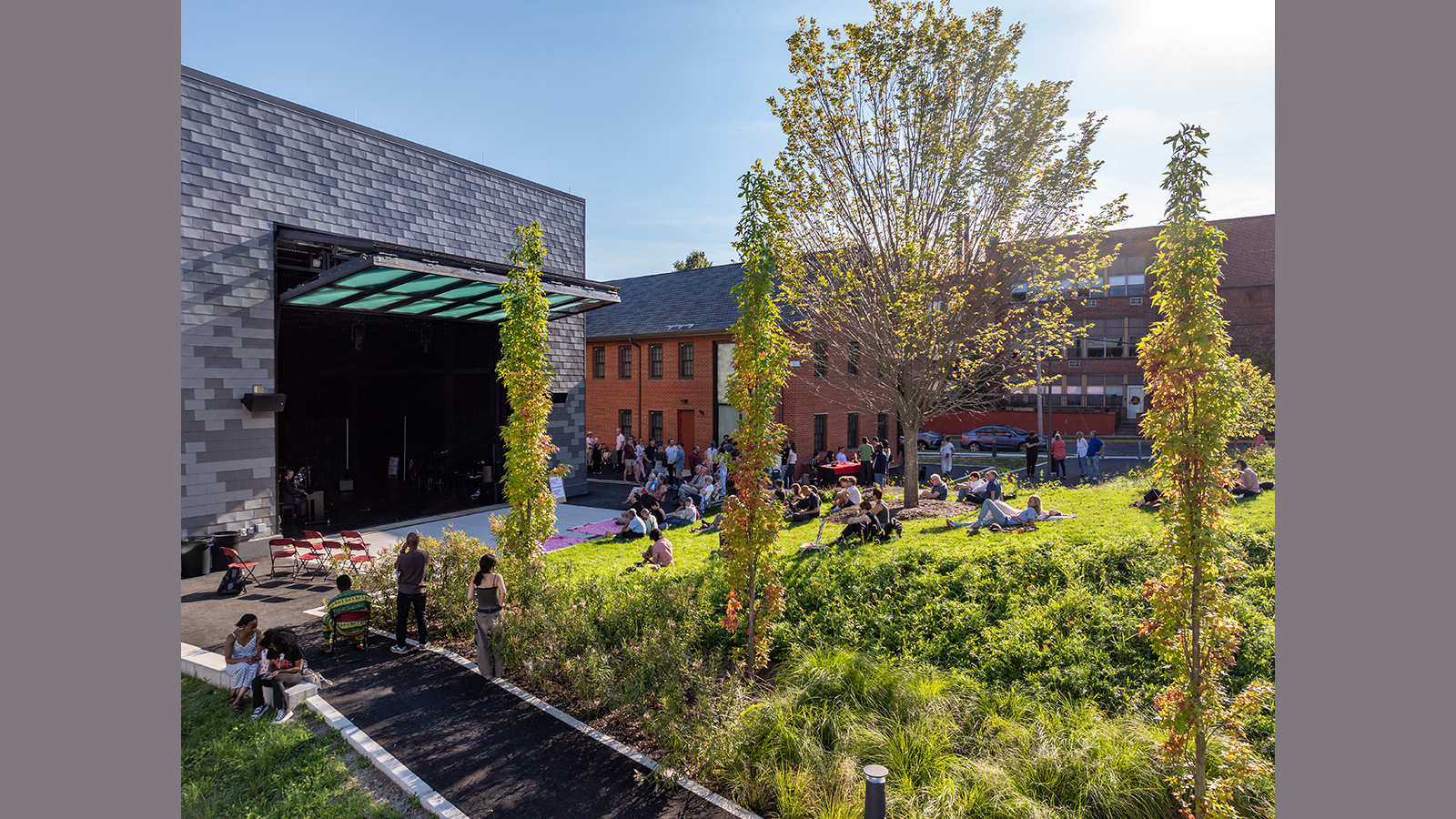
The Fries Arts Building at Wesleyan University transforms a historic 1850 factory at 56 Hamlin Street into a vibrant interdisciplinary arts hub. Designed by Bruner/Cott Architects, the renovation represents the largest expansion of the arts at Wesleyan since the Center for the Arts opened in 1973. The project preserves the building’s industrial character while introducing contemporary performance, teaching, studio, and gathering spaces that support the University’s growing creative programs.
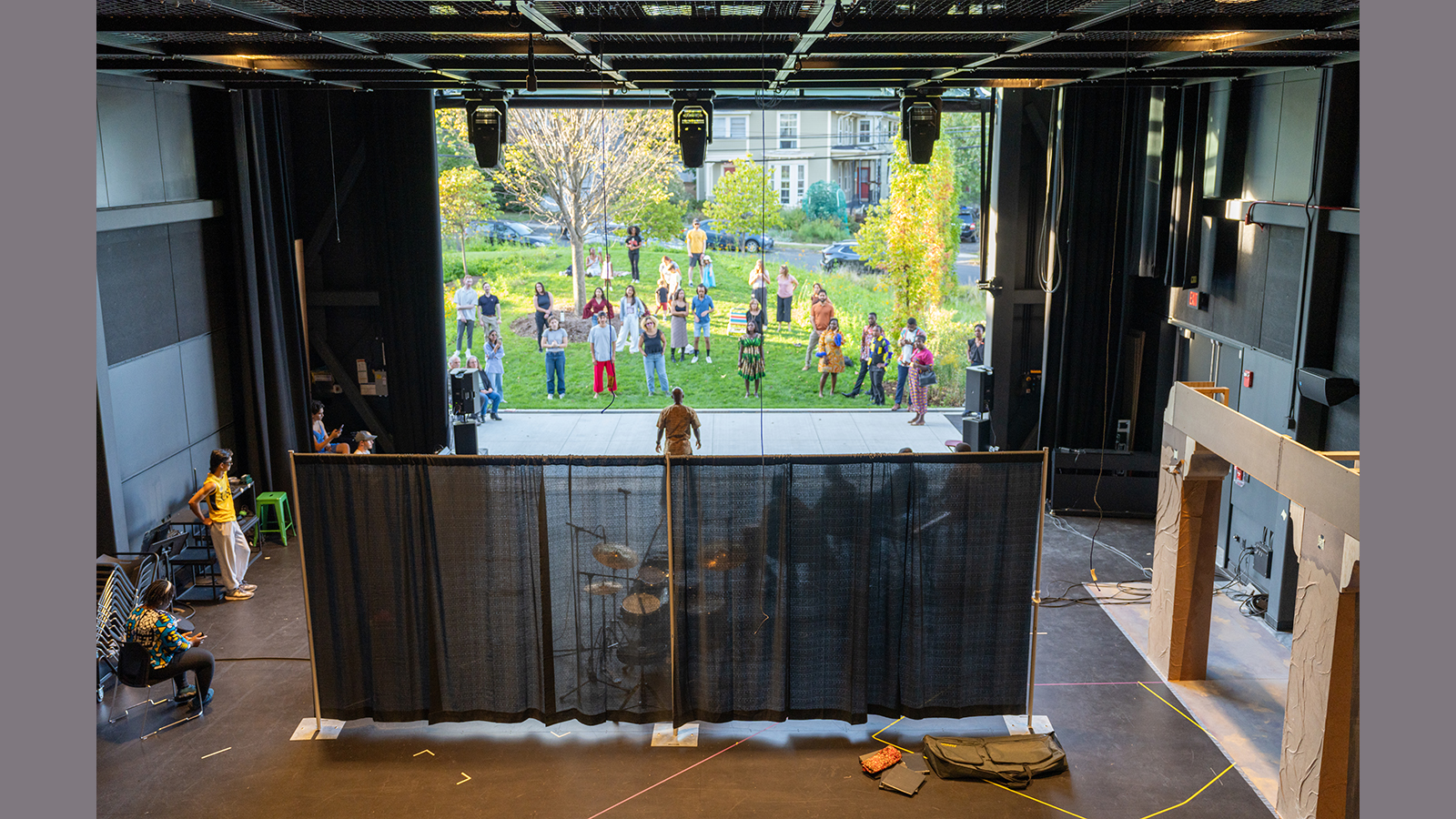
Acentech provided audiovisual consulting services for key spaces throughout the facility, with a primary focus on the black box theater. Designed for maximum flexibility, the theater accommodates performances, rehearsals, classes, lectures, and special events. Our scope included the design of video projection systems, sound reinforcement for speech and playback, and integrated audio and video recording and streaming. The design integrates portable and reconfigurable equipment, enabling the space to adapt easily to varying staging and technical requirements.
Additional elements of our scope included ADA-compliant assistive listening systems, production communications, and an AV control system designed to support both intuitive everyday use and more advanced system operation when needed.
The result is a flexible, accessible performance environment that seamlessly integrates contemporary technology within a historic structure. The Fries Arts Building now serves as a dynamic platform for creative expression and collaboration, strengthening Wesleyan’s expanding arts community while supporting both high-level production and everyday academic use.