

Protect the Spaces That Matter Most
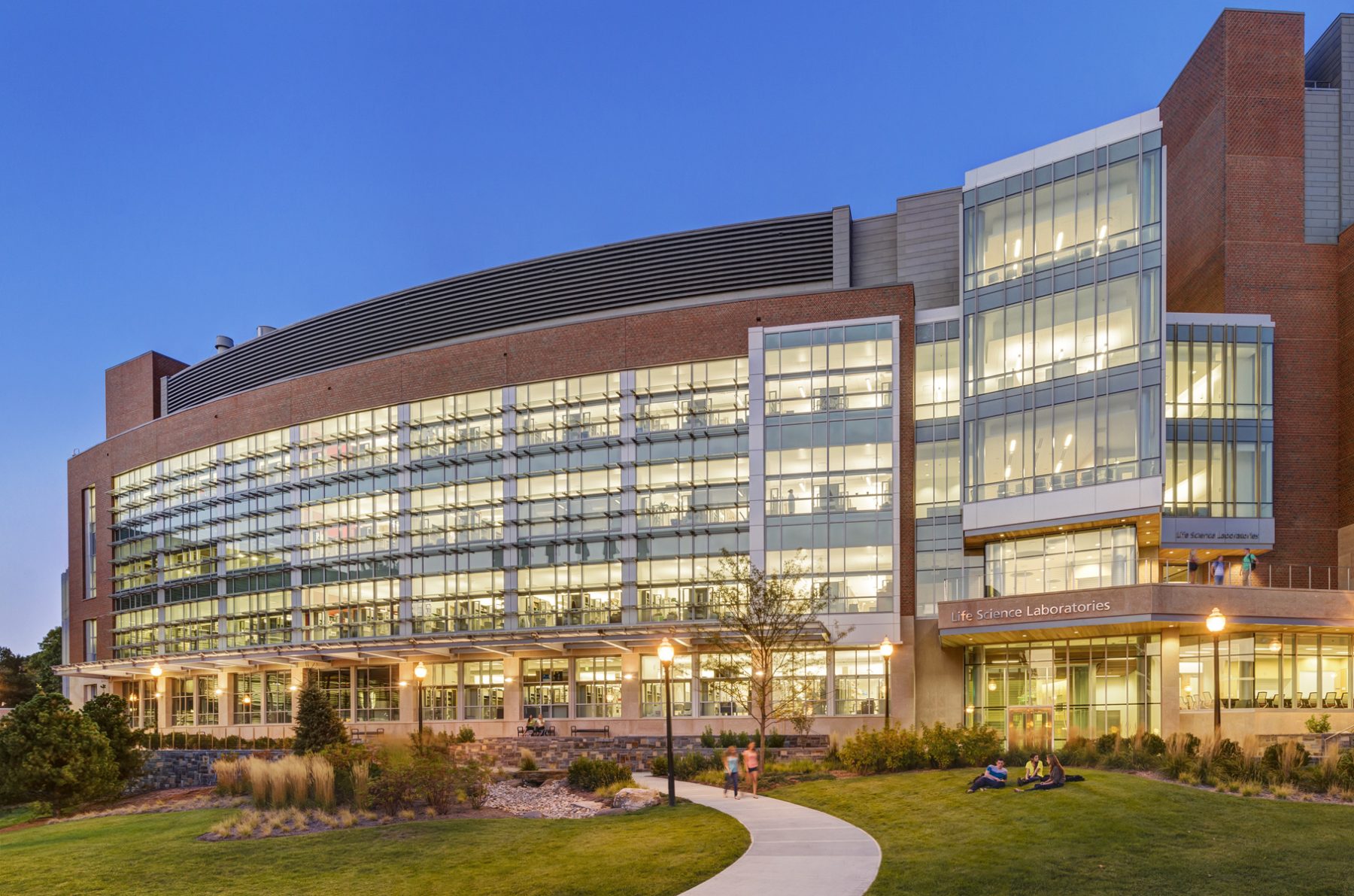
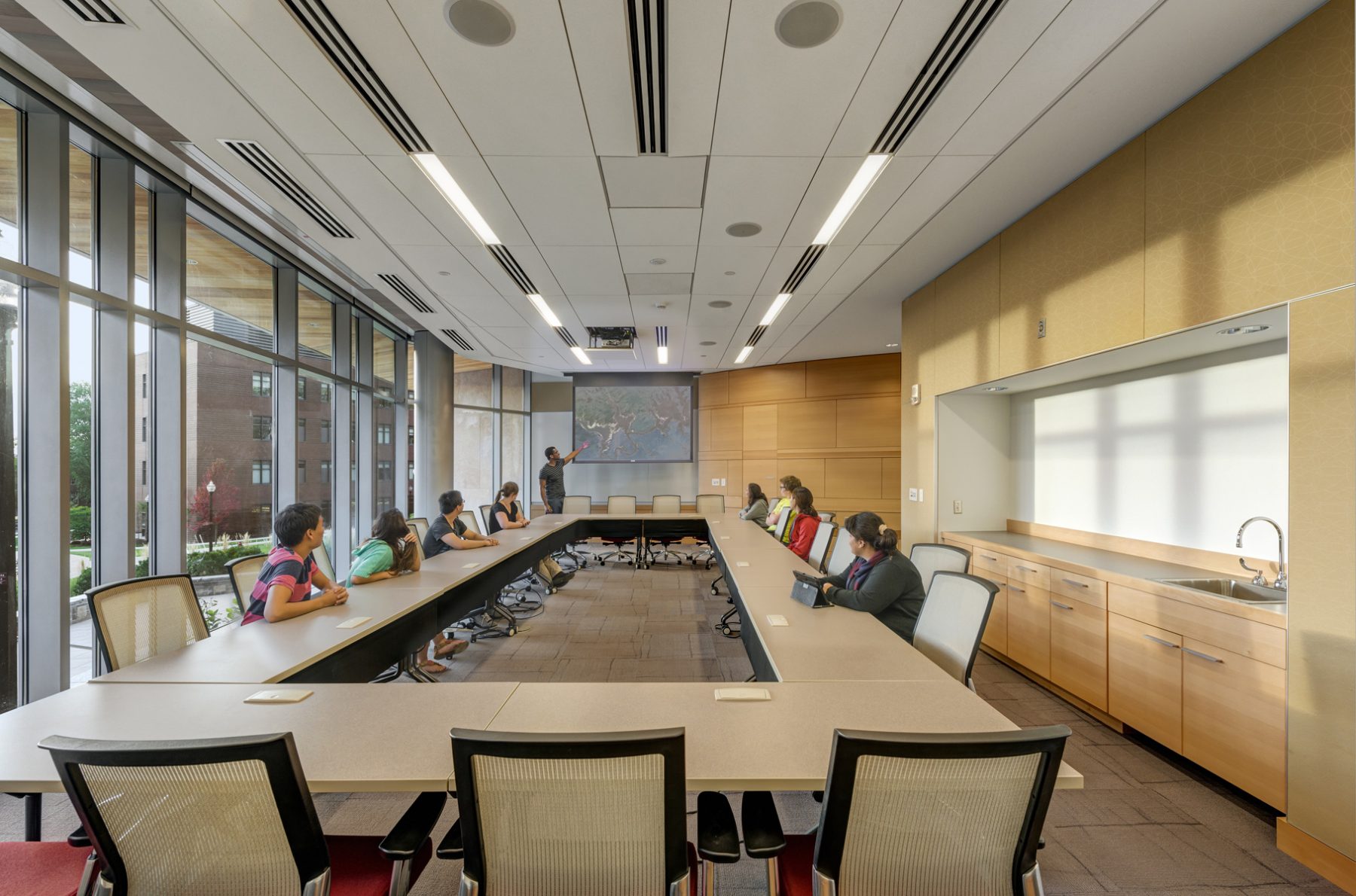
The best way to monitor noise and vibration in universities starts with understanding which spaces, activities, and equipment are most vulnerable. Research laboratories, imaging suites, cleanrooms, recording studios, performance halls, and historic collections can all be impacted by construction, mechanical systems, nearby traffic, or other campus activity. Each environment may require different monitoring locations, equipment, and performance thresholds.
At Acentech, we begin by reviewing your university’s goals, facility operations, and risk tolerances. Baseline measurements can help identify existing conditions and anticipate how proposed construction or other activity may affect them. We then work with campus representatives, researchers, facility managers, and project teams to establish appropriate noise and vibration limits.
Maintain Oversight from Anywhere
Universities are active environments, and conditions can change quickly. Our monitoring service makes it possible to stay informed without always being onsite. We configure remote systems that continuously collect noise and vibration data and make it available through secure online dashboards. Project teams can review conditions in real time, and automated email or text alerts can notify them when levels approach or exceed set limits.
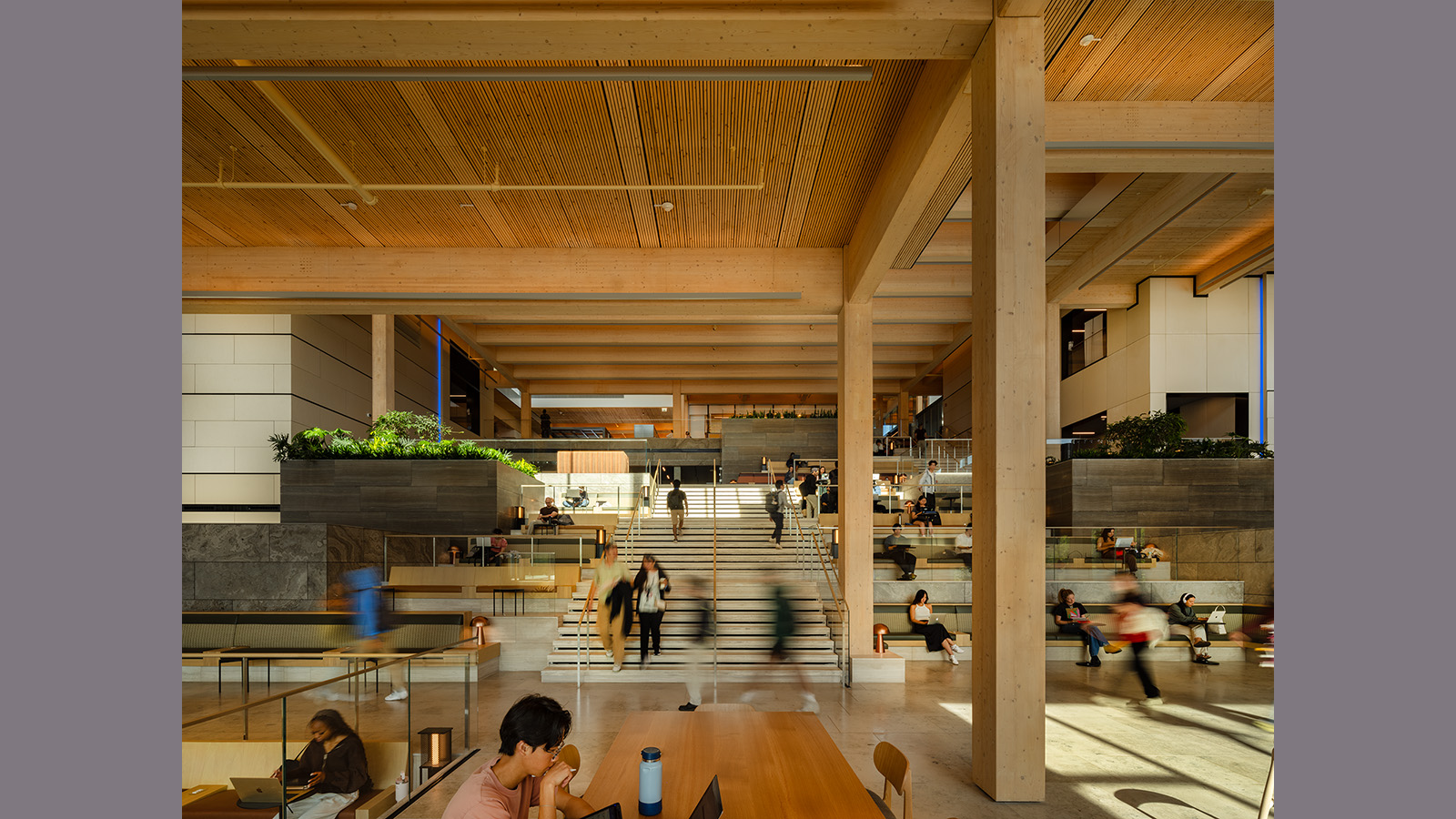
This type of immediate feedback allows contractors and facility managers to respond before a temporary disturbance becomes a bigger operational problem. Construction methods can be adjusted, equipment can be inspected, or work can be rescheduled around sensitive experiments, performances, and academic activities. For example, the live telemetry systems we provided at MIT.nano help operators maintain the facility’s low-vibration environment over the long term. Similar systems have enabled construction to proceed alongside teaching, research, and performance activities at universities throughout New England and across the country.
Putting Monitoring Data into Context
Monitoring equipment alone isn’t enough to determine whether noise and vibration pose a real risk or whether they may interfere with campus activities. That is why even the most reliable instrumentation should be paired with experienced analysis, clear reporting, and close coordination among university staff, contractors, and other stakeholders.
We handle the entire monitoring process, including scope development, criteria review, sensor selection and calibration, system installation, alert management, and data interpretation. Our consultants can evaluate trends, document compliance, and recommend practical mitigation strategies when conditions approach established limits. At UMass Amherst, monitors installed across five buildings alerted the construction team when vibration neared preset thresholds, allowing work methods to be modified. By turning continuous data into informed decisions, your university can protect sensitive research, preserve important facilities, and keep projects moving while maintaining trust across campus and throughout the community.
See how these monitoring strategies have supported real projects on our Case Studies page or visit the Features and Specifications page for a closer look at system capabilities. Contact us to talk through a specific monitoring need on your campus.