
Protecting Sensitive Healthcare Spaces with Better Monitoring
Noise and vibration can influence how hospitals and other healthcare facilities function, particularly in patient rooms, procedure areas, imaging suites, and laboratories. When construction, renovations, air traffic, mechanical systems, or other conditions create noise and vibration, continuous monitoring can help teams understand what is happening and what can be done about it. At Acentech, we support healthcare organizations with secure monitoring systems, automated alerts, and experienced interpretation that turn data into practical guidance.
Deciding What to Measure
The first step is determining whether the program should monitor noise, vibration, or both. In a hospital setting, that depends on the spaces involved and the sensitivity of the activities taking place as well as the source of noise and vibration.
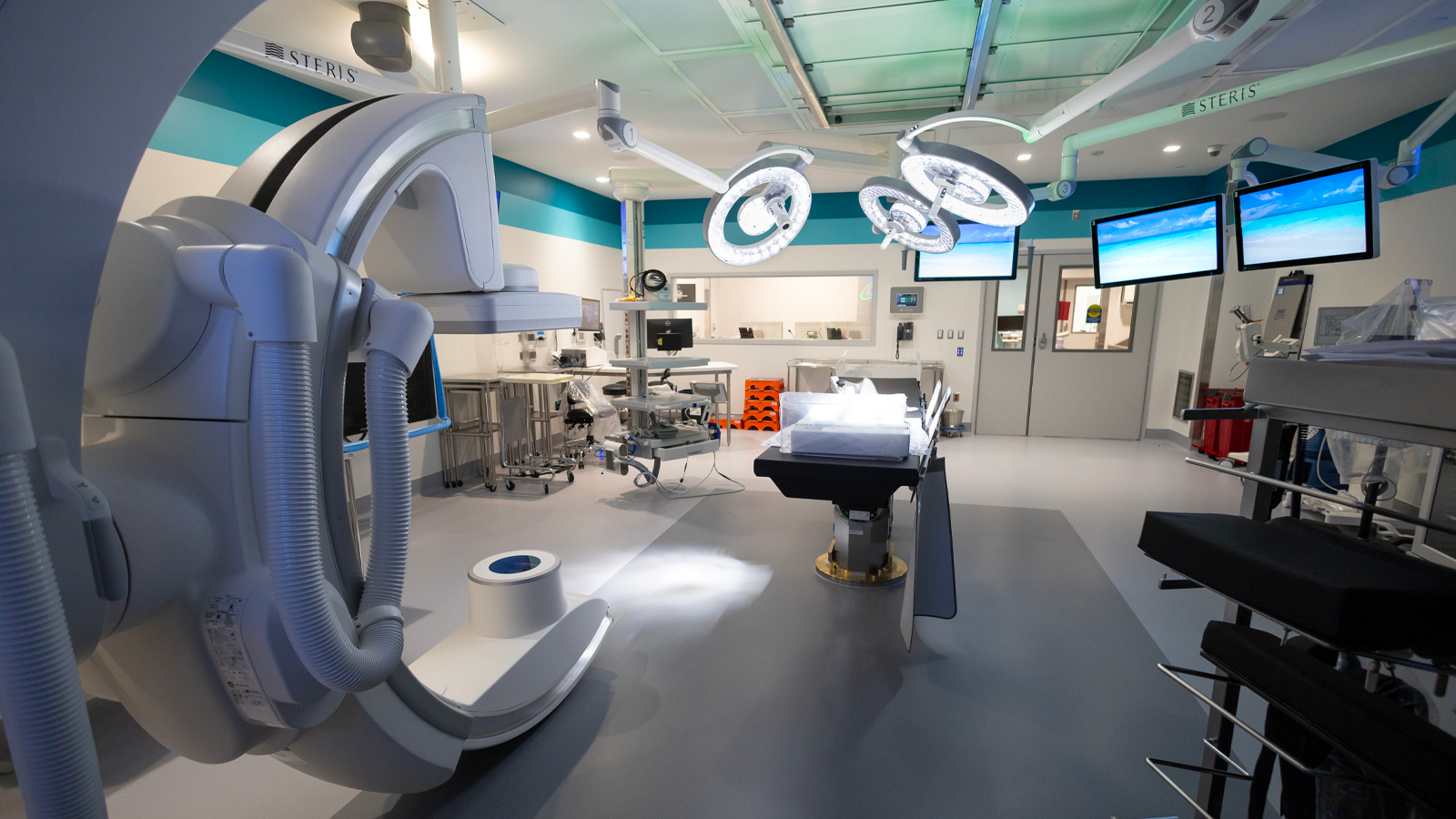
Patient rooms, procedure rooms, outpatient areas, and administrative spaces may require sound monitoring to support rest, privacy, and communication. Imaging suites, laboratories, and radiation therapy rooms may require vibration monitoring because sensitive equipment can be impacted by small disturbances. Rooftop equipment, helipads, loading areas, and nearby construction sites should also be considered.
Monitoring limits are typically defined to reflect relevant criteria, such as the FGI Guidelines, ASHRAE noise criteria (NC) for HVAC-related sound, equipment manufacturer requirements, and generic vibration criteria (VC) for vibration-sensitive spaces.
Sensor Selection and Placement
Once the scope of monitoring is determined, the next step is selecting the appropriate sensors and placing them in the right locations. Sensors should be calibrated and positioned based on the type of condition being monitored, the sensitivity of the space, and the level of detail needed to effectively manage risk.
Vibration monitoring near imaging equipment may require different sensor placement and review criteria than sound monitoring in occupied patient areas. Construction activity outside the building may call for one monitoring approach, while mechanical system noise or rooftop equipment may require another. At Acentech, we configure monitoring systems around the environmental conditions and project goals that matter most.
Stay Informed with Remote Access to Live Data
Continuous monitoring gives hospital teams and project stakeholders a clear understanding of what is happening as conditions change. Instead of relying on periodic measurements or site visits alone, real-time systems provide ongoing data that can be accessed via secure online dashboards, long-term logs, and automated alerts.
This is especially useful during active construction, renovations, or equipment installation. Remote access allows facility managers, engineers, and project teams to review live conditions, identify trends, and respond as thresholds are approached. For more on construction-phase monitoring in healthcare settings, see our article on construction noise and vibration monitoring in hospitals.
Setting Alerts and Creating a Response Plan
An effective monitoring program includes a response plan, which should outline who receives notifications, how the data is reviewed, and what response is expected when a threshold is approached or met. An alert is only useful if the team knows what to do with it.
That may mean identifying when construction activity should be paused, when additional investigation is needed, when mitigation should be considered, or when conditions are within expected limits. A clear response plan helps hospitals and project teams avoid confusion and make decisions when it counts.
From Measurements to Meaningful Guidance
The best hospital monitoring programs combine reliable data with experienced interpretation. Collecting noise and vibration measurements is only part of the process. The data needs to be reviewed in context, with an understanding of the facility, the activity, and the potential impact on patients, staff, and equipment.
At Acentech, our multidisciplinary team helps healthcare organizations understand what monitoring results mean and how they can support practical decisions. That may involve reviewing construction impacts, evaluating mechanical system noise, assessing sound transmission, or determining whether vibration levels are approaching equipment-related limits.
For practical examples of monitoring systems in real projects, visit our Case Studies page. To learn more about technical details, visit our Features and Specifications page. Contact us to talk through a specific hospital monitoring need.