

Where Vibration Matters Most
Knowing how to monitor vibration in museums starts with understanding what needs protection. For museums and cultural facilities with sensitive collections, historic materials, quiet galleries, or specialized systems, relatively small changes in vibration can create concern. Construction work, transit activity, building equipment, or public use in and around the property are just a few sources of vibration that can impact your institution.
At Acentech, monitoring programs begin by looking closely at the building, the collection, the surrounding conditions, and curator needs. This may include measuring vibration around delicate exhibits, evaluating construction-related activity, , or protecting pieces in storage that require stable preservation conditions. By identifying these priorities early, project teams can create a monitoring program that is practical and aligned with the museum’s goals.
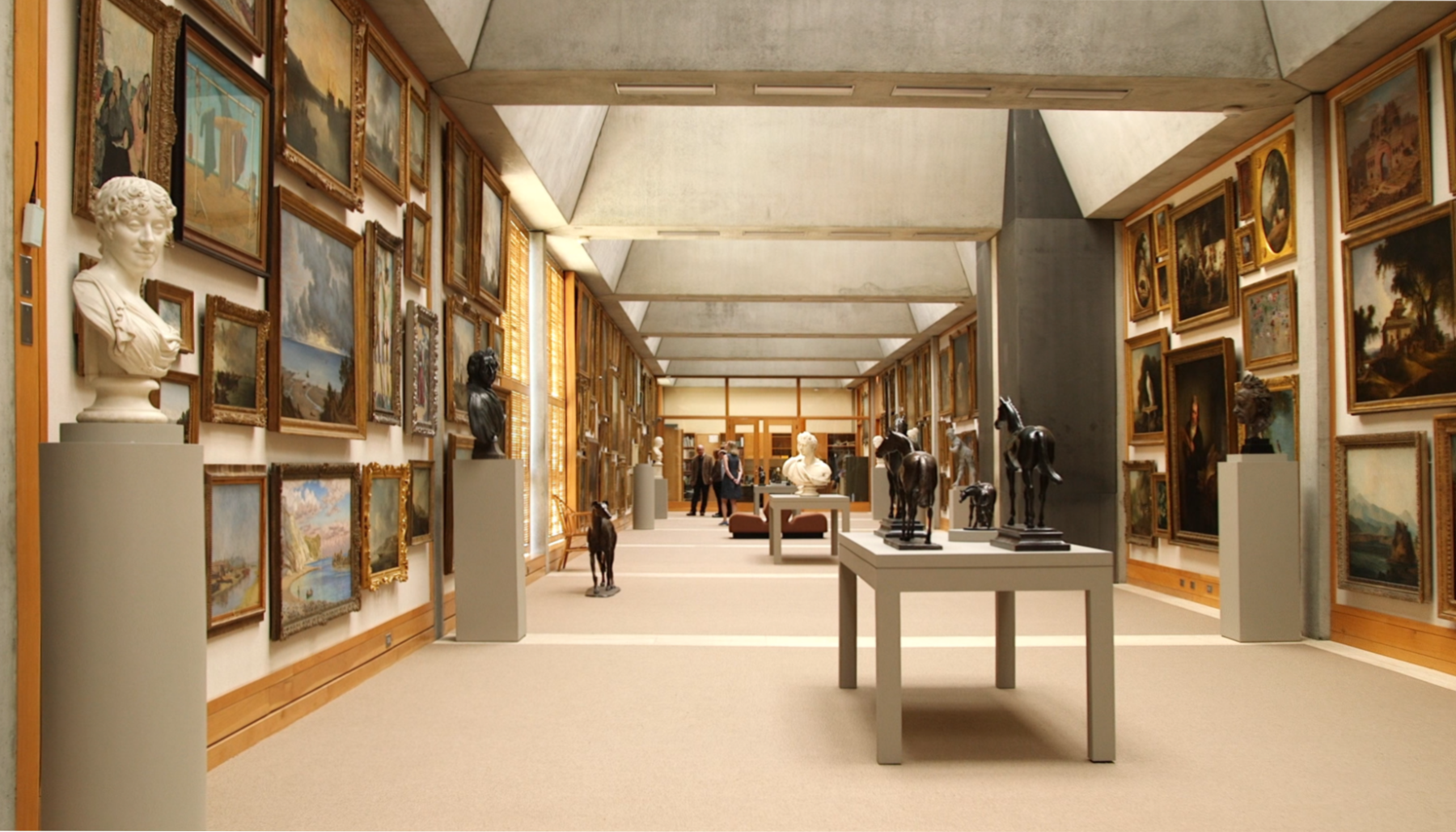
We’ve performed vibration monitoring at many museums. One such project was at the Yale Center for British Art used baseline measurements and continuous real-time monitoring during construction to protect collections and support communication among the construction team, the center, and facilities staff.
Track Conditions
Before equipment is placed we work with the project team to define what the monitoring program needs to accomplish. For museums and cultural facilities, the goal may be to protect delicate artifacts, preserve quiet gallery conditions, support renovation work, or reduce risk during nearby construction.
The process then includes reviewing or creating relevant criteria, choosing sensor locations, calibrating equipment, and establishing conservative alert levels. Realtime and remote monitoring systems can include online dashboards, continuous data collection, and send automatic notifications so museum staff, project managers, contractors, and other stakeholders can see when conditions approach or move beyond defined limits. This helps your team stay informed around the clock and creates a useful record for decisions during construction, renovation, or ongoing facility operations.
From Monitoring to Mitigation
Monitoring is most useful when teams can see what is happening as conditions change. Real-time and remote systems make that possible by giving users access to live information and eliminating unnecessary site visits. Secure online dashboards, real-time cloud data visualization, long-term logging, and automated alerts can all help your team maintain oversight and respond when thresholds are approached.
This kind of access is useful for hospital staff, project teams, and engineers who need to know if and how outside activity or internal systems are impacting the environment. Instead of relying on assumptions or waiting until issues arise, teams can make decisions based on current data. A customized alert plan might define who receives notifications, how quickly the data will be reviewed, and what response is expected (and from whom) when a threshold is approached.
Turn Monitoring Results Into Practical Action
A strong monitoring program helps translate changing conditions into practical next steps. Real-time tools can show project teams when vibration impacts happen, how significant they are, and whether further review or mitigation may be needed. Acentech combines monitoring systems with experienced interpretation so museums can better understand what the data is showing.
If an alert is triggered, the team can look at what was happening on or near the site, evaluate the readings against the project’s criteria and decide whether additional coordination, investigation or mitigation is needed. For longer-term efforts, reports can reveal trends, show whether controls are performing as intended and help communicate clearly with leadership, neighbors, or regulators. For museums and cultural facilities, vibration monitoring gives project teams a practical way to protect collections and manage risk with greater confidence.
Ready to learn more? Visit our Case Studies page to see how Acentech’s monitoring systems are used on real projects, or explore our Features and Specifications page for a deeper look at system capabilities. Contact us to discuss your museum’s specific needs for noise and vibration monitoring.